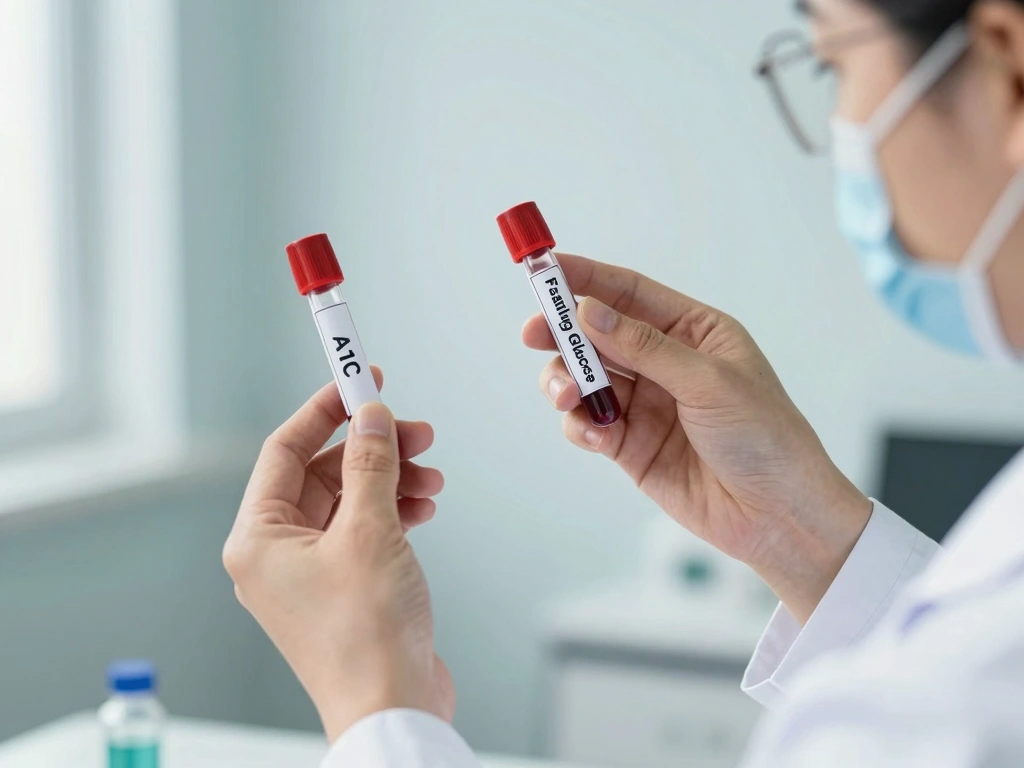
Understanding A1C: What It Measures
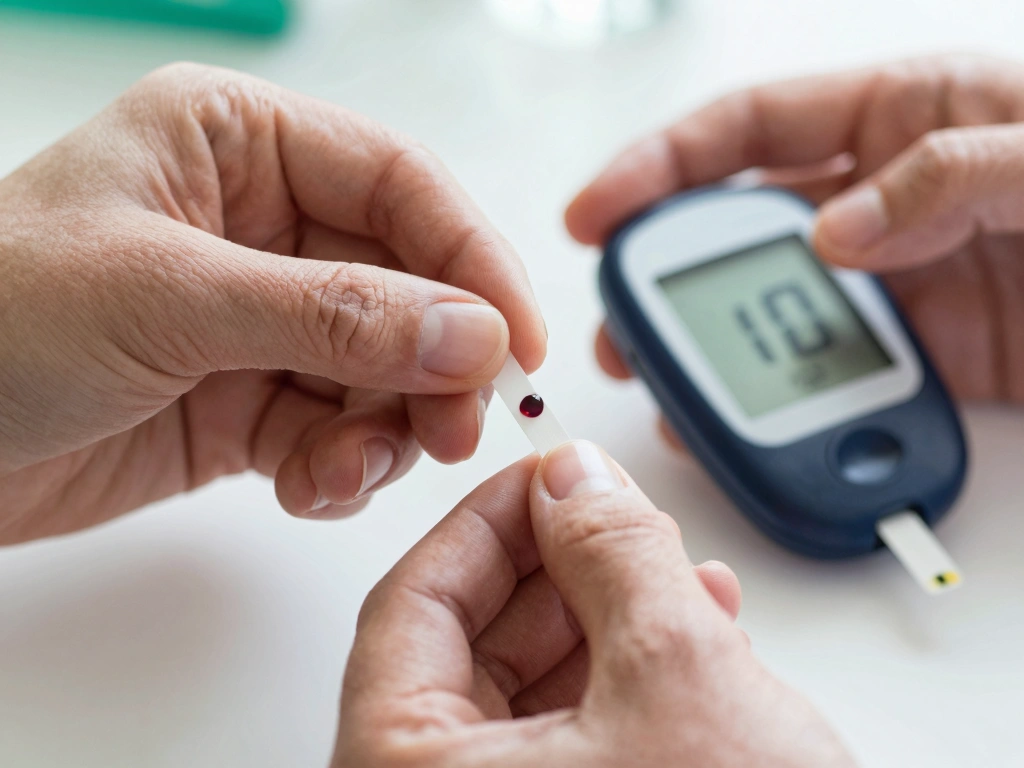
Definition and Purpose of A1C
A1C, also known as hemoglobin A1C or glycated hemoglobin, is a blood test used to assess the average blood sugar levels over a period of about two to three months. This test is primarily used in the management of diabetes, as it provides a more comprehensive view of blood glucose control compared to single-point measurements such as fasting glucose. The A1C test measures the percentage of hemoglobin molecules in the blood that have glucose attached to them. The higher the blood sugar levels, the more hemoglobin becomes glycated, leading to a higher A1C percentage.
How A1C Reflects Blood Sugar Levels
The A1C test indicates long-term glucose levels rather than sharp fluctuations. For instance, an A1C level of 6.5% or higher typically indicates diabetes, while levels between 5.7% and 6.4% suggest prediabetes. Each 1% increase in A1C corresponds to an approximate increase of 28-30 mg/dL in average blood glucose levels. Therefore, an A1C of 7% corresponds to an average blood sugar level of 154 mg/dL.
Interpreting A1C Results
A1C results are reported as a percentage, reflecting the proportion of glycated hemoglobin. The American Diabetes Association (ADA) provides the following guidelines for interpreting A1C results:
- Normal: Less than 5.7%
- Prediabetes: 5.7% to 6.4%
- Diabetes: 6.5% or higher
- Target for Diabetic Patients: Generally below 7%, but individual targets may vary based on personal health factors.
Understanding Fasting Glucose: What It Measures
Definition and Purpose of Fasting Glucose
Fasting glucose testing measures the concentration of glucose in the blood after a period of fasting, typically 8-12 hours. This test is essential for diagnosing diabetes and monitoring blood sugar levels. Fasting glucose levels reflect the body’s ability to regulate glucose without the influence of recent food intake.
How Fasting Glucose Is Tested
The fasting glucose test is straightforward and involves the following steps:
- The individual must fast overnight, refraining from food and beverages, except for water.
- A healthcare professional draws a blood sample, which is then analyzed in a laboratory.
- Results are typically available within a few hours to a couple of days, depending on the healthcare facility.
Interpreting Fasting Glucose Results
Fasting glucose levels are measured in milligrams per deciliter (mg/dL). According to the ADA, the interpretation of fasting glucose results is as follows:
- Normal: Less than 100 mg/dL
- Prediabetes: 100 to 125 mg/dL
- Diabetes: 126 mg/dL or higher on two separate tests
For example, a fasting glucose level of 110 mg/dL would indicate prediabetes, whereas 130 mg/dL would confirm a diagnosis of diabetes.
Key Differences Between A1C and Fasting Glucose
Measurement Timeframe
The most significant difference between A1C and fasting glucose lies in the timeframe they represent. A1C measures average blood sugar levels over the past two to three months, providing a broader perspective on long-term glucose control. In contrast, fasting glucose provides a snapshot of blood sugar levels at a single point in time, specifically after a period of fasting. This difference means that A1C can show how well blood sugar has been managed over time, while fasting glucose can indicate immediate glucose regulation.
Factors Influencing Each Test
Various factors can influence A1C and fasting glucose results:
- A1C Factors: Conditions such as anemia or hemoglobinopathies can affect the accuracy of A1C results. For instance, individuals with conditions that shorten red blood cell lifespan may have falsely low A1C levels.
- Fasting Glucose Factors: Stress, illness, or medications can impact fasting glucose levels. For example, corticosteroids can raise blood sugar levels, leading to higher fasting glucose results.
Clinical Use Cases for Each Test
Both tests serve distinct purposes in clinical practice:
- A1C: Primarily used for diagnosing diabetes and monitoring long-term glucose control. It is often recommended for individuals with diabetes to ensure that blood sugar levels remain within target ranges.
- Fasting Glucose: Typically employed for diagnosing diabetes and prediabetes, especially in cases where rapid assessment is needed. It can also be used in conjunction with other tests for a more comprehensive diagnosis.
Limitations of A1C and Fasting Glucose Testing
Potential Interference in A1C Readings
While A1C is a valuable tool for understanding glucose control, it has limitations. Certain medical conditions can interfere with A1C results. For instance:
- Kidney Disease: Individuals with chronic kidney disease may have altered hemoglobin levels, leading to inaccurate A1C readings.
- Pregnancy: A1C levels can fluctuate during pregnancy, making it less reliable for assessing glucose control in pregnant women.
- Blood Disorders: Conditions like sickle cell anemia may affect hemoglobin and, subsequently, A1C results.
Factors Affecting Fasting Glucose Accuracy
Fasting glucose testing also has its challenges. Factors that can lead to inaccurate readings include:
- Timing of the Fast: Inadequate fasting time may result in elevated glucose levels due to recent food intake.
- Hydration Status: Dehydration can concentrate glucose in the blood, leading to artificially high readings.
- Medications: Certain medications, such as diuretics, may affect glucose levels, making it crucial to inform healthcare providers about all medications taken.
When to Consider Additional Testing
In some cases, A1C and fasting glucose results may not provide sufficient information for diagnosing or managing diabetes. Additional tests may include:
- Oral Glucose Tolerance Test (OGTT): Measures blood sugar levels two hours after consuming a glucose-rich beverage, helping to assess how well the body processes glucose.
- Continuous Glucose Monitoring (CGM): Provides real-time insights into blood glucose levels and fluctuations, offering more detailed data than traditional tests.
- Fructosamine Testing: Measures average blood glucose levels over the past 2-3 weeks and may be useful in specific clinical situations.
Recommendations for Monitoring Blood Sugar Levels
When to Choose A1C or Fasting Glucose
The choice between A1C and fasting glucose testing largely depends on the individual's health status and the information needed:
- A1C: Best for individuals with known diabetes to monitor long-term control, and for diagnosing diabetes in asymptomatic individuals.
- Fasting Glucose: Ideal for initial screening and diagnosing diabetes, particularly when immediate results are needed.
Combining Tests for Comprehensive Insights
For a comprehensive understanding of blood sugar management, healthcare providers often recommend a combination of A1C and fasting glucose tests. This approach allows for:
- Assessment of both long-term and short-term blood sugar control.
- Identification of patterns and trends that may not be apparent from a single test.
- More accurate diagnosis and management strategies tailored to individual needs.
Consulting Healthcare Professionals for Best Practices
Monitoring blood sugar levels is vital for the prevention and management of diabetes. Individuals should consult healthcare professionals to determine the most appropriate testing methods based on their unique circumstances. Regular check-ups and discussions about the results of A1C and fasting glucose tests are essential for making informed decisions about health management.
In conclusion, both A1C and fasting glucose tests play crucial roles in the assessment of blood sugar levels, each providing valuable insights into different aspects of glucose regulation. Understanding the differences between these tests can empower individuals to take charge of their health and make informed decisions regarding diabetes management.